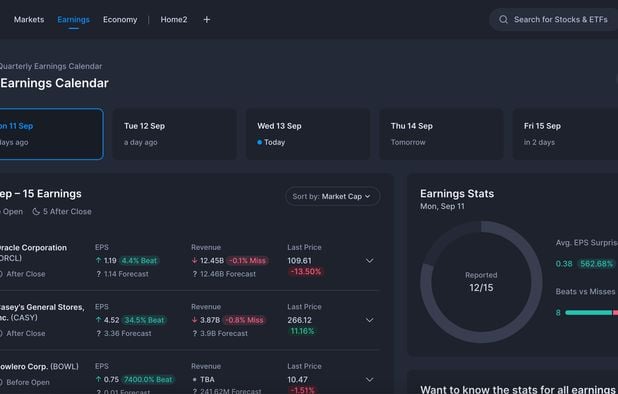
Top 10 Suggestions For Evaluating The Interface For Users And User Experience Ai Trading Platforms That Predict And Analyze Stocks
The User Interfaces (UI) and the user experiences of AI-based stock trading platforms are vital to their usability, efficiency overall satisfaction, and their overall performance. A poorly designed user interface could hinder the decision-making process even if the AI models that underlie the interface are robust. Here are 10 ways for evaluating the UI/UX.
1. Examine the intuitiveness and ease of Utilization
Navigation: Make sure the platform is easy to use, with buttons and menus that are easy to grasp and workflows that are easy to follow.
Learning curve: Determine the speed at which new users learn and operate the platform with no any extensive training.
Consistency: Check the design patterns on all platforms to ensure consistency (e.g. button colors styles, colors).
2. Look for Customizability
Dashboard customization: Determine whether dashboards can be customized by users to display relevant data such as charts, metrics, and charts.
Layout flexibility: Ensure that the platform allows you to rearrange widgets, charts and tables.
Themes and preference. Examine if there are dark/light settings or other visual preferences.
3. Visualize data easily
Chart quality: Ensure the platform offers high-quality, interactive charts (e.g., candlestick charts, line charts) with pan and zoom capabilities.
Visual clarity: Check that the data is clearly displayed, with appropriate labels, legends, and tooltips.
Real-time updates: Check if the visualizations automatically reflect developments on the market.
4. Test Speed and Responsiveness
Loading time: Ensure that the platform loads quickly, even when working with large data sets or complicated calculations.
Real-time Performance: Determine whether your platform is able to handle data feeds with no delay.
Cross-device compatibility : Find out if the platform is compatible with all devices (desktops mobiles, tablets, desktops).
5. Evaluate accessibility
Mobile app accessibility: Determine if the platform has an app for mobile devices that has full capabilities to trade on the go.
Keyboard Shortcuts: Ensure that your platform allows keyboard shortcuts.
Accessibility features: Verify whether the platform is compliant with accessibility standards (e.g. screen reader support and high-contrast modes).
6. Search and Filter Test Functions and Test Search
Search function users should be able to easily search for stocks or indices.
Advanced filters: See whether users have the ability to apply filters (e.g., by sector, market cap or performance metrics) to narrow down the results.
Searches saved to save: Find out if you can save searches and filters that are frequently used.
7. Be sure to check for alerts, notifications and other information
Customizable notifications: Users can create alerts that are customized to specific situations.
Notification delivery: Verify that alerts are being delivered through multiple channels (e.g., SMS, email, notifications in-app).
Timeliness: Make sure that alerts are set promptly and precisely.
8. Assess the integration with other tools
Broker integration: The platform should be linked to your brokerage account so that transactions can be completed easily.
API access: Determine if the platform allows advanced users to design custom tools and workflows.
Third-party integrations: Verify if the platform supports integrations with other software (e.g., Excel, Google Sheets and trading bots).
9. Assess Help and support Features
Onboarding tutorials – Check to see if there’s tutorials or walkthroughs for users who are new to the platform.
Help center – Ensure that the platform includes a comprehensive support center or knowledge base.
Customer support: Check if there is a responsive customer service (e.g. chat on the internet, email, or phone).
10. Test Overall User Satisfaction
User feedback: Conduct research and testimonials to assess the satisfaction of customers.
Trial period – Get to know the platform with a no-cost trial to test how it works.
Check the platform’s error handling.
Bonus Tips
Aesthetics. While the design of functional products is important aesthetics, a pleasing design can improve user experience.
Performance under stress: Make sure that your platform is responsive and stable during times of market volatility.
Forums and communities: Find out whether the platform hosts an active community of users or forum for users to share tips and feedback.
These guidelines will allow you to assess the user interface and experience AI trading platforms which forecast or analyze price of stocks. You can make sure they are efficient, aligned to your trading requirements and are user-friendly. A great UI/UX is an effective tool that will aid you in making better decisions and trades. View the recommended chart ai trading assistant for more advice including best ai for trading, ai for investment, chatgpt copyright, ai for trading, best ai trading software, ai investment app, trading with ai, ai chart analysis, using ai to trade stocks, options ai and more.
Top 10 Tips For Assessing The Regulatory Conformity Of Ai Stock Forecasting/Analyzing Trading Platforms
Regulatory compliance plays a crucial role in evaluating AI platforms for stock prediction and analysis. Compliance assists in ensuring that the platform is operating within legal frameworks and protecting user data. These are the top ten suggestions for assessing the regulatory compliance of these platforms:
1. Verify licensing and registration
Regulatory authorities: Check that the license and registration is with the appropriate financial regulatory authorities (e.g. SEC or FCA in USA, ASIC or ASIC in Australia).
Make sure that the brokers integrated into the platform are licensed and licensed and.
Public records: Go to the website of the regulator to see the status of registration as well as past violations.
2. Assess the privacy of your data Compliance
GDPR In the event that you are serving or operating within the EU Make sure your platform is in compliance with the General Data Protection Regulation.
CCPA: For users who reside in California ensure that they are in compliance with the California Consumer Privacy Act (CCPA).
Policies on handling data. Examine the platform’s privacy policy and make sure it clarifies the ways in which data regarding users is used to collect, share, and stored.
3. Evaluation of Anti-Money Laundering Measures
AML policies: Ensure that the platform is equipped with strong AML policies that are in place to detect and prevent the laundering of money.
KYC procedures – Ensure that the platform adheres to Know Your Customer procedures for authenticating user identities.
Monitoring transactions: Find out whether the platform monitors transactions for suspicious activities, and then reports it to relevant authorities.
4. Make sure you are in the compliance of Trading Regulations
Market manipulation: Ensure that your platform has safeguards put in place to protect against market manipulation, including spoofing trading or wash trading.
Order types: Check that the platform adheres to rules regarding order types.
Best execution: Examine to see if the website adheres best execution practice, which ensures that trades are executed at the cheapest price.
5. Cybersecurity Assessment
Data encryption: Ensure that the platform is encrypted to safeguard user data in transit and in rest.
Incident response Incident response Verify the system’s plans to take action in the event of data breaches or cyberattacks.
Certifications – See if your platform has any cybersecurity certifications.
6. Transparency Evaluation and Transparency Evaluation and Disclosure
Disclosure of fees: Ensure that the platform is transparent about all fees including hidden or extra fees.
Risk disclosure: See if there are clear disclosures of risk, particularly in high-risk or leveraged trading strategies.
Performance reporting: Check whether the AI model’s algorithms are transparent and correctly recorded.
7. Verify that you are in compliance with International Regulations
Trans-border trade: If you trade internationally, ensure the platform complies with regulations in all relevant jurisdictions.
Tax reporting: See whether the platform provides tools or reports that help users adhere to tax regulations.
Sanctions compliance – Ensure that the platform is compliant to international sanctions and does not allow trading only with countries or entities prohibited.
8. Assess Records-keeping and Audit Trails
Transaction records: Make sure the platform records detailed details of each transaction for the purposes of auditing and regulation.
Logs of user activity – Check that the platform is recording every user’s activity such as logins to the platform, trades executed, and any changes to the account settings.
Audit readiness: Determine whether your system can produce the necessary logs and documentation in the event of a regulatory inspection.
9. Evaluation of Compliance with AI Specific Regulations
Algorithmic trading rules: If you’re using a platform that supports algorithmic trading, make sure it is compatible with relevant regulatory frameworks like MiFID II or Reg SCI in Europe and in the U.S.
Bias & Fairness: Check for any biases that the platform is able to monitor and mitigate within the AI model. This will ensure fair and ethical trade.
Explainability – Ensure that the AI platform can clearly and concisely explain regarding AI-driven decisions, predictions and more. in accordance with certain regulations.
10. Review User Comments as well as Regulatory Historical Historiography
User reviews: Conduct research to assess the reputation of the platform for legal compliance.
Check the regulatory history to see if there were any fines or penalties for violation of the regulations.
Third-party checks: Ensure the compliance of the platform with regulations by checking whether it has periodic audits from third party.
Bonus Tips
Legal consultation: Talk to a legal expert about the compliance of the platform with relevant regulations.
Trial period: Try the platform free of charge or try the demo to test out its compliance features and the documentation.
Customer Support: Make sure that the platform offers customer support for any questions or problems related to compliance.
These tips will help you determine the level of compliance for AI trading platforms which predict/analyze stock prices. In this way, you’ll be able to choose a platform which works within the legal frameworks and also protects your. It is essential to be in compliance because it not only lowers the risk of legal liability, but also builds trust and confidence in the platform. See the top rated inciteai.com AI stock app for website tips including best ai stock prediction, best ai penny stocks, best ai penny stocks, ai investment tools, stocks ai, how to use ai for stock trading, ai stock investing, best stock prediction website, how to use ai for copyright trading, ai stock analysis and more.